
Why So Many Homeowners Choose Asphalt for Driveway Paving
November 25, 2026

November 25, 2026

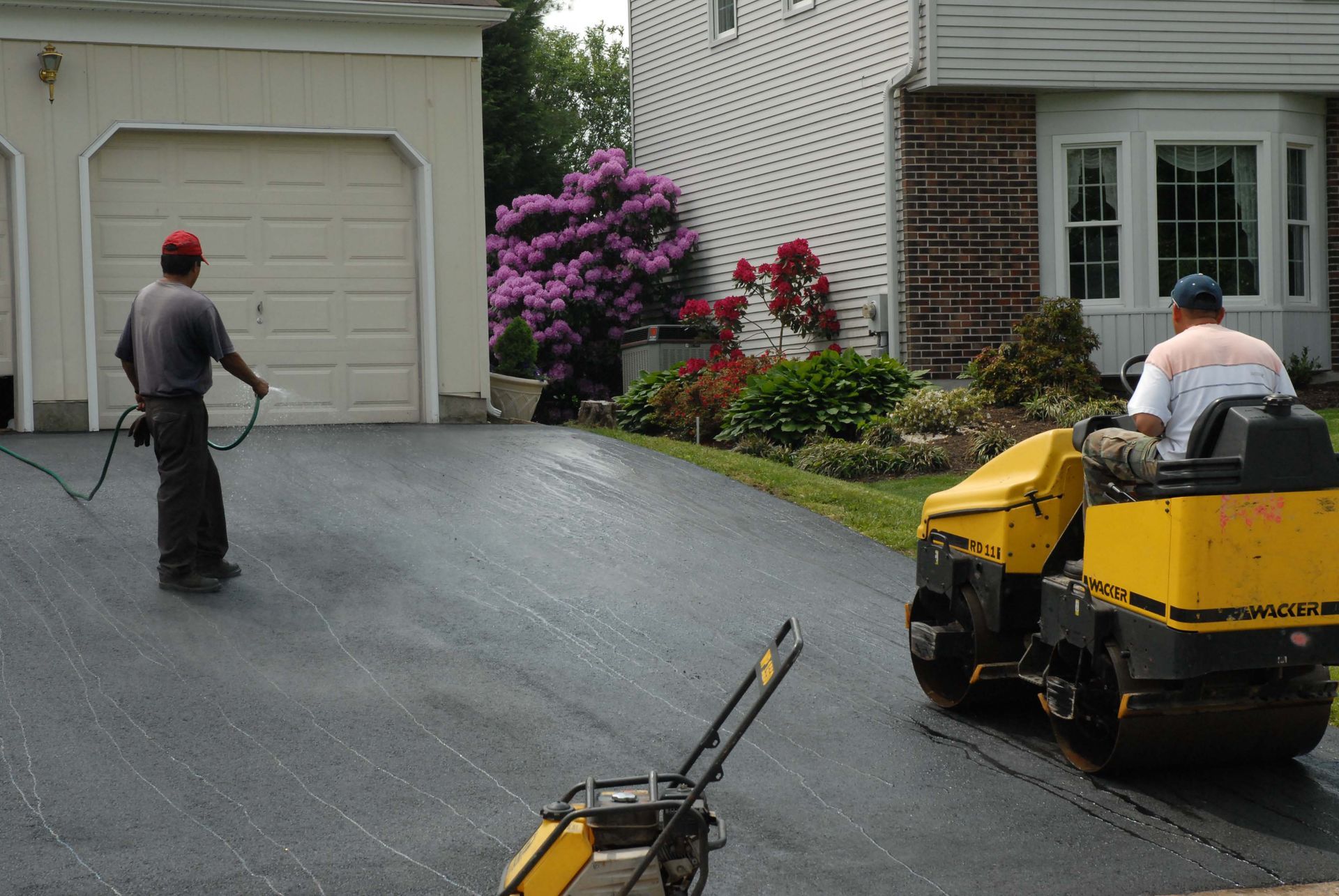
Homeowners today face an array of choices when it comes to selecting the right material for driveway paving. Asphalt, a material known for its practicality and resilience, frequently tops the list for many. This article delves into the numerous reasons why asphalt stands out. We'll look into its cost-efficiency, durability, aesthetic appeal, and environmental considerations among other factors. By the end, you'll understand why so many opt for asphalt as their paving solution of choice.


Delivering Exceptional Cost-Effectiveness for Residential Driveways

Lowering Initial Asphalt Driveway Installation Costs

When evaluating the cost of paving a driveway, many homeowners find that asphalt offers a balanced approach to cost and quality. Unlike materials such as brick or stone, which can be incredibly expensive upfront, asphalt provides a more economical solution without sacrificing performance. The simple process of laying asphalt reduces the labor costs significantly, which contributes to its affordability. Contractors generally charge less per square foot compared to other materials, making it a viable choice for those on a budget. Ultimately, asphalt's reasonable initial costs make it accessible for families and individual homeowners alike.


Generating Significant Long-Term Driveway Maintenance Savings

A key advantage of an asphalt driveway is the potential for significant savings on maintenance over the years. Unlike concrete, which can be costly to repair, asphalt can often be maintained simply with periodic sealcoating and filling of minor cracks. According to industry experts, properly sealed and maintained asphalt can last many years, which reduces the overall cost of ownership. A well-maintained driveway can also enhance a property's value, generating an indirect financial benefit. According to Forbes, sealing your driveway every two to five years helps extend its lifespan and maintain its appearance.


Outperforming Alternative Driveway Materials in Cost

When comparing the cost of asphalt to other paving materials, financial advantages become apparent. Concrete, while longer-lasting in some climates, involves a longer and more expensive installation process. Gravel is cheaper initially but lacks durability and requires frequent replenishment. Brick or stone can enhance aesthetic appeal but are prohibitive in cost for extensive areas. Throughout such comparisons, asphalt emerges as a cost-effective compromise that delivers excellent performance and value.


Providing Superior Durability and Driveway Longevity

Withstanding Harsh Seasonal Weather and Temperature Cycles

One of the standout properties of asphalt is its impressive ability to withstand adverse weather conditions. Unlike other materials, asphalt adapts well to the freeze-thaw cycles experienced in colder climates. Its flexibility allows it to expand and contract without cracking, making it ideal for geographical areas with fluctuating temperatures. Moreover, in warmer climates, asphalt does not soften excessively, thus maintaining its integrity. This weather resistance ensures that an asphalt driveway can remain in top condition for many years.


Resisting Surface Potholes and Premature Pavement Cracks

Potholes and cracks are issues that homeowners dread when it comes to driveways, and asphalt can effectively mitigate these problems. The nature of the material allows it to absorb minor shifts in the ground and minor impacts, thus reducing the likelihood of surface damage. Furthermore, the materials used in asphalt are designed for high flexibility, making it resilient to common wear and tear. Enhanced with modern sealants, minor cracks can be easily addressed before escalating into major issues. Consequently, asphalt maintains its smooth surface and safety over time.


Extending Overall Driveway Lifespan Through Routine Care

The longevity of an asphalt driveway, when properly maintained, is another reason why many homeowners choose it. While the lifespan of an asphalt driveway depends on usage and environmental factors, it can commonly last 20-30 years with regular maintenance. Sealing the surface every two to five years prolongs its lifespan significantly by preventing water penetration and oxidative damage. Such durability ensures that homeowners get the maximum utility from their investment over decades. Thus, asphalt serves as a long-term solution for driveway needs.


Enhancing Curb Appeal and Driveway Aesthetics

Offering Customizable Stamped Patterns and Edging Options

Aesthetics play a crucial role in the selection of driveway materials, and in this realm, asphalt offers considerable versatility. Homeowners can choose from various design options to complement their home's exterior. From stamped patterns that mimic premium materials to unique edging and clean lines, the design opportunities with asphalt are numerous. Apart from affecting the visual appeal, these design choices also permit customization that aligns with the architectural nuances of different house styles. Thus, asphalt driveways can be highly personalized to meet a range of aesthetic preferences.


Creating a Sleek and Smooth Surface Finish

A key feature of an asphalt driveway is its sleek, smooth surface that enhances the visual harmony of a property. The even, dark finish of asphalt creates a clean and professional look, leading to a polished visual appeal. This surface not only improves aesthetics but also facilitates easier cleaning and less debris accumulation. Additionally, it offers a quieter operation, whether on foot or in vehicles, contributing to a better overall environment. As such, a smooth asphalt surface effectively enhances the charm and attractiveness of any home it graces.


Providing Versatile Color and Aggregate Texture Choices

Beyond its smooth finish, asphalt can offer a range of customizable options to suit individual aesthetic demands. Color variations range from the traditional black to lighter hues through added tint or specific aggregates, enhancing curb appeal. Texture adjustments are possible with varying aggregate types and finishes, allowing homeowners to achieve the look and feel they desire. These customizations help asphalt driveways blend seamlessly with landscaping features and neighborhood aesthetics. Consequently, asphalt proves not only functional but visually adaptable.


Supporting Eco-Friendly and Sustainable Paving Practices

Utilizing Lower-Emission Materials and Modern Production Methods

The environmental aspects of driveway materials are a growing consideration for many homeowners today. Asphalt, in this regard, features properties that meet eco-friendly standards during and after its production. Its recyclability means that old asphalt can be repurposed into new paving mixes, reducing landfill waste and the need for new raw materials. Moreover, advanced technologies now ensure that asphalt production produces fewer emissions compared to the cement-making process. As a result, asphalt contributes positively to more sustainable construction practices.


Maximizing Material Recyclability and Reclaimed Pavement Reuse

One of asphalt's commendable environmental benefits is its ability to be recycled and reused extensively. Various studies indicate that asphalt is one of the most recycled materials globally, thanks to efficient processing methods that allow old asphalt to be reclaimed and used in new mixes. This not only lessens the environmental impact but also reduces costs, making asphalt an eco-friendly and cost-effective choice. Additionally, the increasing norm of using recycled asphalt pavements enriches sustainable practices within the construction industry. Thus, the recyclable nature of asphalt stands as a significant ecological advantage.


Reducing Urban Heat Absorption With Reflective Pavements

The urban heat island effect, characterized by higher temperatures in areas dominated by human activities, is a concern that asphalt paving has sought to address. Newer asphalt options with reflective properties have been developed, which absorb less heat and help in moderating ambient temperatures. These so-called 'cool pavements' enable municipalities to incorporate heat-reducing strategies into urban planning. By lowering the surface temperature, such pavements improve comfort levels for pedestrians and reduce energy demands on nearby buildings. Consequently, asphalt plays a role in combating the urban heat phenomenon.


The multifaceted benefits of asphalt establish it as a premier choice for driveway paving among homeowners. Its cost-efficiency, durability, aesthetic flexibility, eco-friendly attributes, and safety levels position it as a material of choice. Simple installation and maintenance further underscore the practical appeal of asphalt for modern homeowners. Combined, these factors create an investment in not only property value but also long-term homeowner satisfaction. In consideration of these compelling reasons, homeowners should certainly deliberate on asphalt as their pavement solution.


Upgrade your property's entrance with a smooth, durable, and long-lasting driveway by contacting JF Gray Landscape Construction & Paving today to schedule your paving estimate!


September 28, 2026
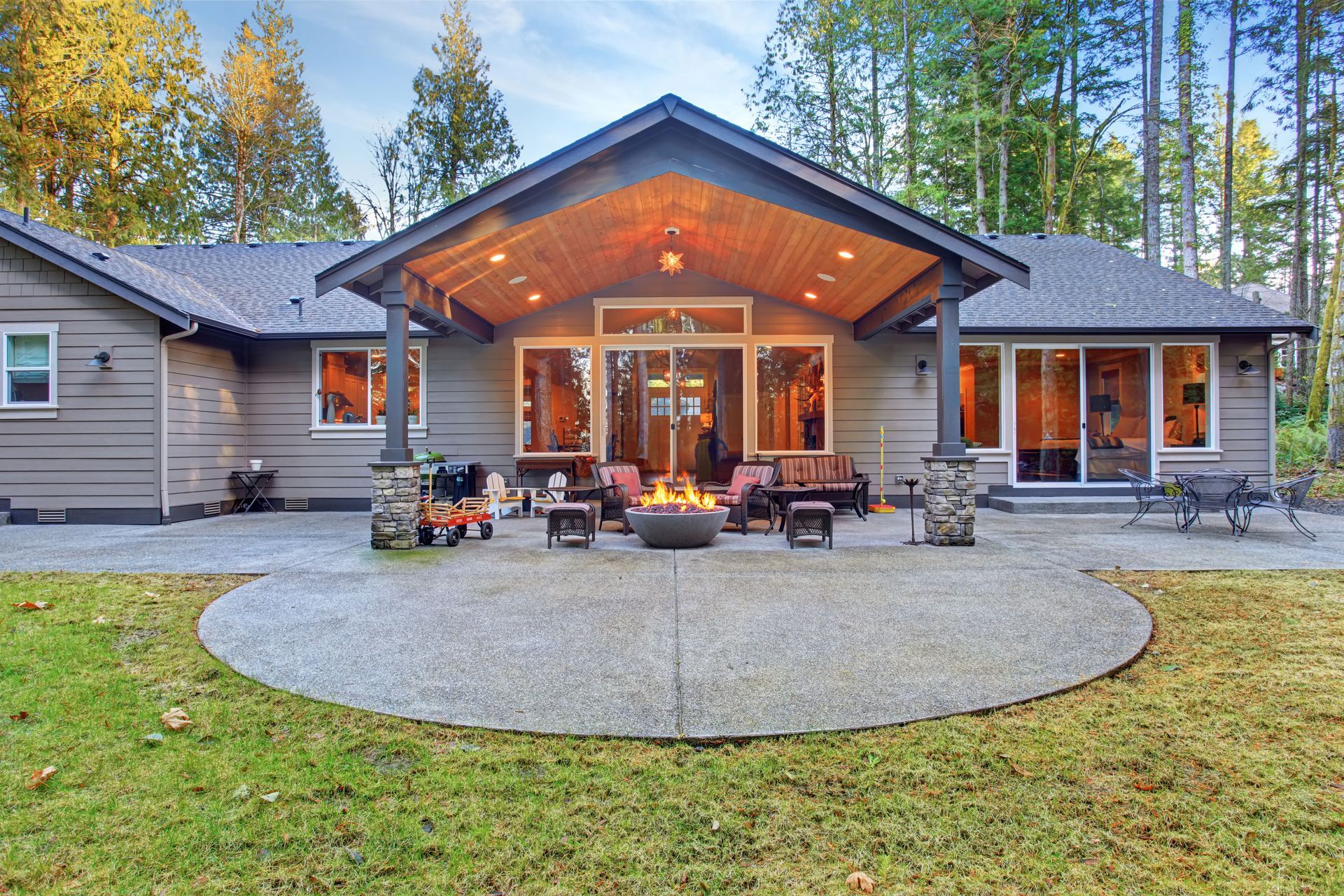
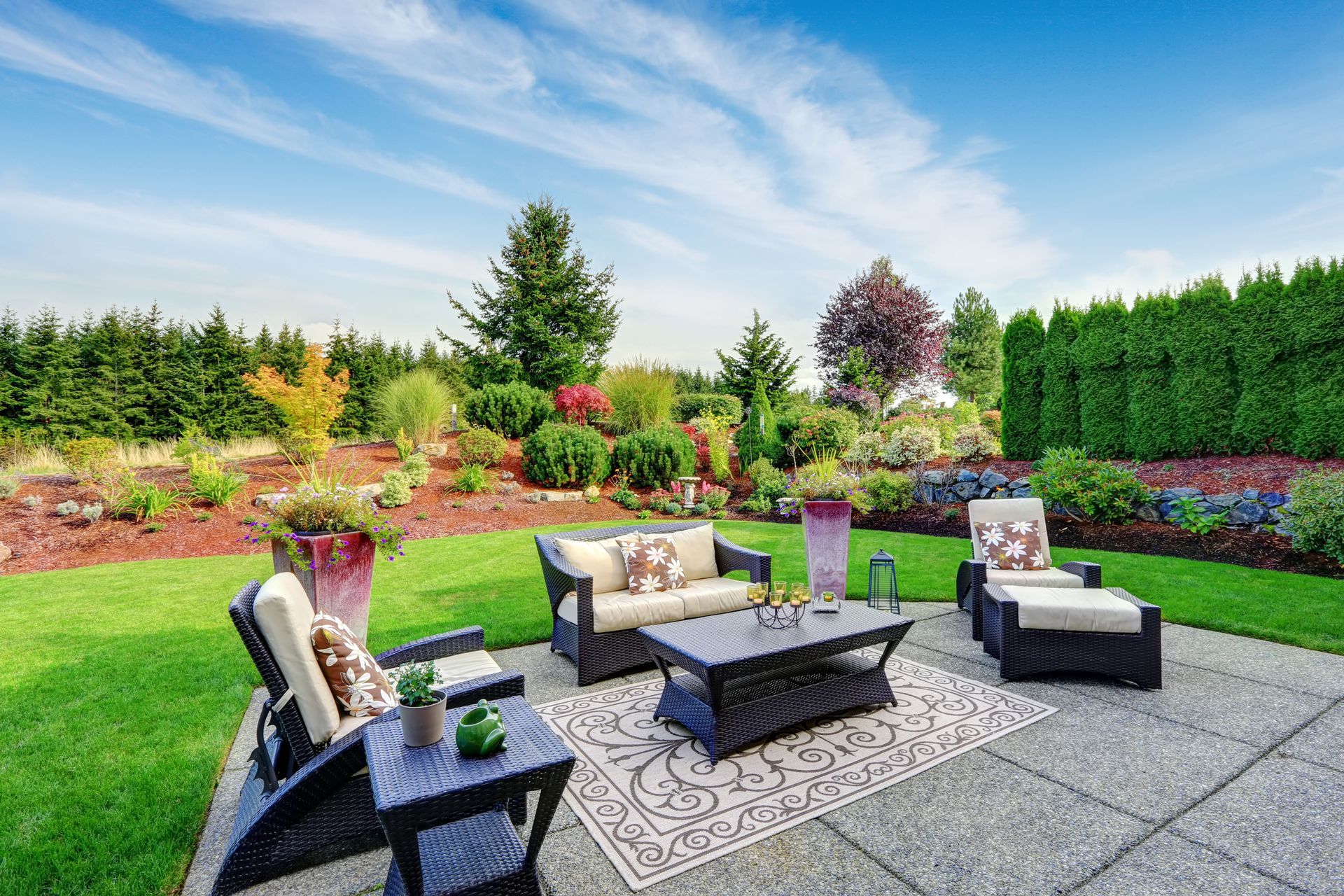
Proper patio maintenance is crucial for preserving its appearance and functionality. A well-maintained patio not only serves as an inviting outdoor area for personal enjoyment but also enhances the overall value of your home. Let's explore a few smart strategies recommended by your local patio builder to ensure your patio remains in top condition year-round. By adopting a regular maintenance routine, you can mitigate potential damage and reduce the need for costly repairs. 1. Regular Cleaning Sweep and Remove Debris Keeping your patio clean is the first step in maintaining its appearance. Regular sweeping helps to remove leaves, dirt, and other debris that can accumulate over time. This prevents the buildup of materials that can cause staining or scratches. You should aim to sweep your patio at least once a week, especially during high debris seasons such as fall. This simple act alone can prolong the life of your patio surface. Power Washing Power washing is an efficient way to remove stubborn dirt and stains that sweeping can't handle. A power washer uses high-pressure water to clean surfaces, making it particularly effective for patios that are heavily stained or covered in mold or algae. However, it's important to understand the pressure level suitable for your patio material to prevent damage. Consistent power washing can help maintain the aesthetic appeal and functionality of your patio. Most homeowners find that power washing once a year is sufficient for maintaining a clean patio. Spot Cleaning Spills Addressing spills immediately is crucial for preventing stains and maintaining the integrity of your patio surface. Common outdoor spills include food, drinks, and oils, all of which can leave lasting marks if not promptly cleaned. For the best results, use a specialized cleaner that matches your patio type because each may react differently to cleaning agents. Quick action in spot cleaning can save you from expensive repairs and re-surfacing later. Keeping a dedicated kit for outdoor cleaning supplies can make managing spills more convenient. Use Safe Cleaning Agents Using the right cleaning agents ensures you won't damage your patio while trying to maintain it. Each patio material has specific cleaners designed to handle its unique characteristics without causing harm. Avoid harsh chemicals that can strip the finish or lead to discoloration. Environmentally friendly cleaners are advisable, as they are often less abrasive and better for the surrounding garden ecosystem. Always test a new cleaning product in a small area to ensure it does not adversely affect your patio's surface. Seasonal Deep Clean Performing a seasonal deep clean is integral to preparing your patio for the upcoming weather conditions. Seasonal cleaning involves a thorough washing, scrubbing, and treatment of the patio to remove any accumulated dirt or debris that may have settled. This helps in identifying any unnoticed damage or wear that could potentially worsen if left unchecked. Establishing a seasonal routine ensures that your patio is in its best condition to withstand the challenges posed by the shifting climates. During this process, consider inspecting the surrounding garden areas for pests or diseases that might affect the patio's environment. 2. Sealing Surfaces Understand the Benefits of Sealing Sealing your patio offers multiple benefits that contribute to its longevity and durability. A quality sealant acts as a barrier against moisture, preventing water damage and reducing the likelihood of cracks or erosion. Sealing also protects against stains from food, beverages, and outdoor debris. By sealing your patio, you can significantly extend its life and maintain its aesthetic appeal. Plus, a well-sealed patio can offer a return on investment of 60% to 70%, according to HomeGuide, when it comes time to sell your home. Choosing the Right Sealant Selecting the appropriate sealant is critical for enhancing the performance and appearance of your patio. Different patio materials require different types of sealants, and it's essential to choose one that suits your specific needs. For instance, concrete sealants might not be appropriate for wooden patios. Consider the local climate as well, since sealants might offer varying degrees of protection against harsh weather conditions. Always consult with a professional patio builder or conduct detailed research to choose the best product for your patio. Proper Application Techniques The effectiveness of a sealant depends significantly on how it's applied. Starting with a clean, dry surface is crucial to ensure that the sealant adheres properly and provides thorough coverage. Depending on the type of sealant and patio, specific tools such as rollers or sprayers might be preferable. Follow the manufacturer's instructions closely, as applying too much or too little can compromise the results. Proper application ensures that the sealant offers maximum protection for the duration of its intended lifespan. Frequency of Resealing Determining how often you need to reseal your patio depends on factors such as material, climate, and usage patterns. A general rule of thumb is to reseal concrete patios every two to three years, while wooden patios might require more frequent treatments. Exposure to extreme weather conditions may necessitate a more regular sealing schedule. Regular resealing not only safeguards the patio's aesthetics but also prevents structural decay by blocking moisture infiltration. Keep an eye on your patio's appearance, and when in doubt, consult a professional patio builder for advice on resealing frequency. Checking for Signs of Wear Regularly inspecting your patio for signs of wear is vital to determine when resealing is necessary. Common indicators include fading color, increased water absorption, or the appearance of small cracks. These signs suggest that the existing seal is wearing down and no longer providing adequate protection. A proactive approach to maintenance will help ensure that problems are addressed before they become more severe and costly. Keeping a maintenance journal is a good practice for tracking the condition and treatment of your patio over time. 3. Preventing and Managing Weeds Barrier Methods Preventing weeds from taking root is easier than dealing with them once they have spread. Barrier methods such as installing landscape fabric beneath your patio can be highly effective. This fabric acts as a protective layer that prevents weeds from accessing sunlight and nutrients necessary for growth. In addition to fabric, using gravel or mulch in surrounding areas can inhibit weed development by restricting their growth conditions. When setting up barriers, make sure they are compatible with the type of patio surface to avoid unintended damage. Regular Inspections Regular inspections play a crucial role in maintaining a weed-free patio environment. Early detection of weeds allows for swift intervention, preventing them from spreading uncontrollably. Make it a routine to examine your patio for any signs of growing weeds or invasive plant species. Removing them promptly minimizes their impact on the aesthetic and structural integrity of your patio. Consistent checks also help you monitor the effectiveness of other preventative measures you have in place, such as barriers or herbicide use. Use of Herbicides Herbicides are another effective tool in the fight against patio weeds. Selecting the right type of herbicide is important, as some may be suitable for concrete but harmful to plants or pets. Always follow the application guidelines to avoid damaging your patio or the surrounding garden areas. For a more eco-friendly approach, organic or natural herbicides can also be effective against common patio weeds. Regular use ensures that your patio remains clear of unwanted growth, improving its appearance and extending its durability. Caulking Gaps Gaps and cracks in patio surfaces provide an entry point for weeds, among other issues, and sealing these areas can prevent their growth. Use a suitable caulking material designed for outdoor use, ensuring that it is compatible with your patio material. Proper caulking requires clean, dry surfaces and attention to detail to ensure complete coverage of the gaps. Addressing these small issues as they emerge can save you from more significant structural challenges in the future. Maintaining sealed surfaces also assists in water management, reducing moisture buildup that can further weaken the patio. Maintaining your patio involves a combination of routine care and occasional upgrades. From cleaning and sealing to structural repairs and aesthetic enhancements, every aspect plays a role in prolonging your patio's life and improving its utility. By implementing these smart strategies, you can enjoy a beautiful and functional patio for years to come. For more helpful tips from a quality patio builder , reach out to J.F. Gray Landscape Construction & Paving today.
paving company
August 27, 2026
We take pride in delivering efficient, reliable, and exceptional service backed by over 20 years of combined experience. Call the top paving company today!
July 29, 2026
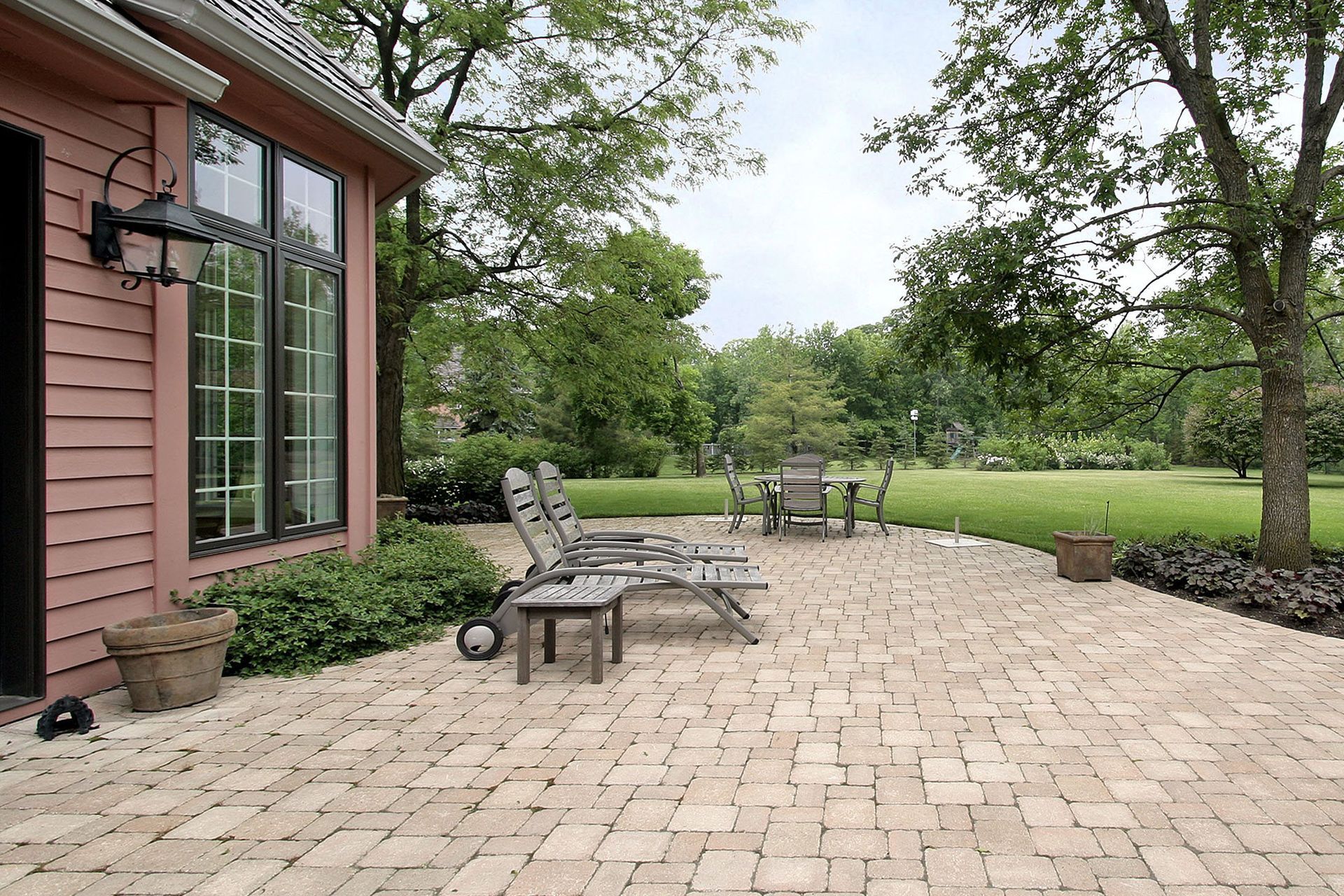
Expert patio builders design custom outdoor spaces that increase property value, expand living areas, and offer a comfortable year-round retreat.

Show More →
