Pavement Repair: Techniques for a Stronger, Safer Surface
- J F Gray Landscaping

- Nov 14
- 3 min read
Regular pavement repair is essential for keeping roads, driveways, and walkways safe and durable. Whether you're dealing with minor surface cracks or major structural damage, using the right pavement rehabilitation techniques can restore strength and extend the life of your investment.
Common Causes of Pavement Distress
Over time, pavement is exposed to weather, traffic, and natural aging—all of which can cause distress. This includes surface cracks, potholes, and base failures. A well-structured pavement maintenance plan addresses these issues early using techniques like crack sealing, pothole repair, and asphalt patching.
Failing to fix early signs of pavement distress can lead to more extensive damage requiring full-depth repair or even complete pavement structure rehabilitation.
Key Pavement Repair Techniques
Effective pavement repair involves a combination of methods depending on the type and severity of damage.
1. Crack Sealing
Sealing cracks in asphalt or concrete pavement prevents water from seeping into the base layers, stopping damage before it worsens. This technique is a vital part of any preventive maintenance program and helps delay costly repairs.
2. Pothole Repair
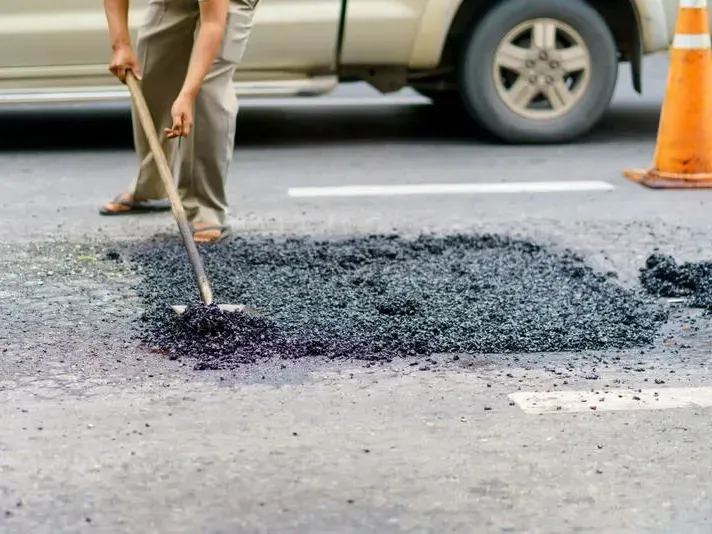
Potholes pose a major safety risk and should be addressed with either hot mix asphalt or cold mix asphalt, depending on the season and urgency. For sudden issues, emergency pothole repair with quick-setting materials offers a temporary fix.
Learn more about how to handle seasonal damage in our driveway repair tips for cracks and potholes.
3. Asphalt Patching
This involves removing damaged areas and replacing them with new asphalt. Both partial depth repair and full depth pavement repair can be applied, depending on how deep the damage runs.
4. Asphalt Overlay & Resurfacing
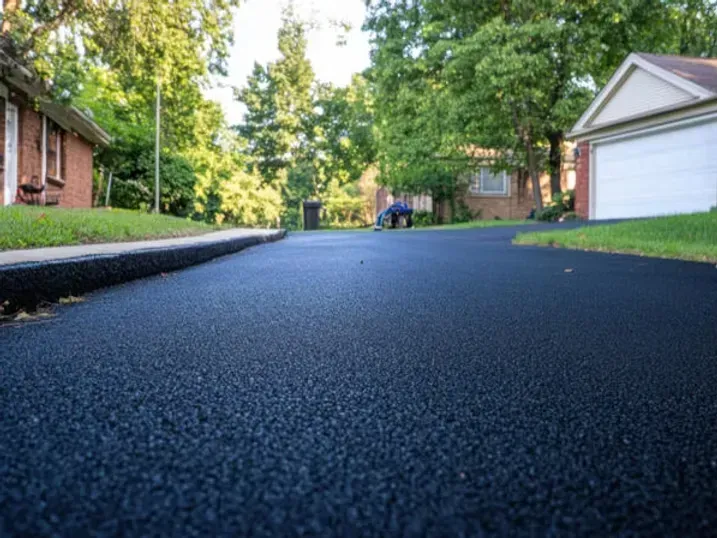
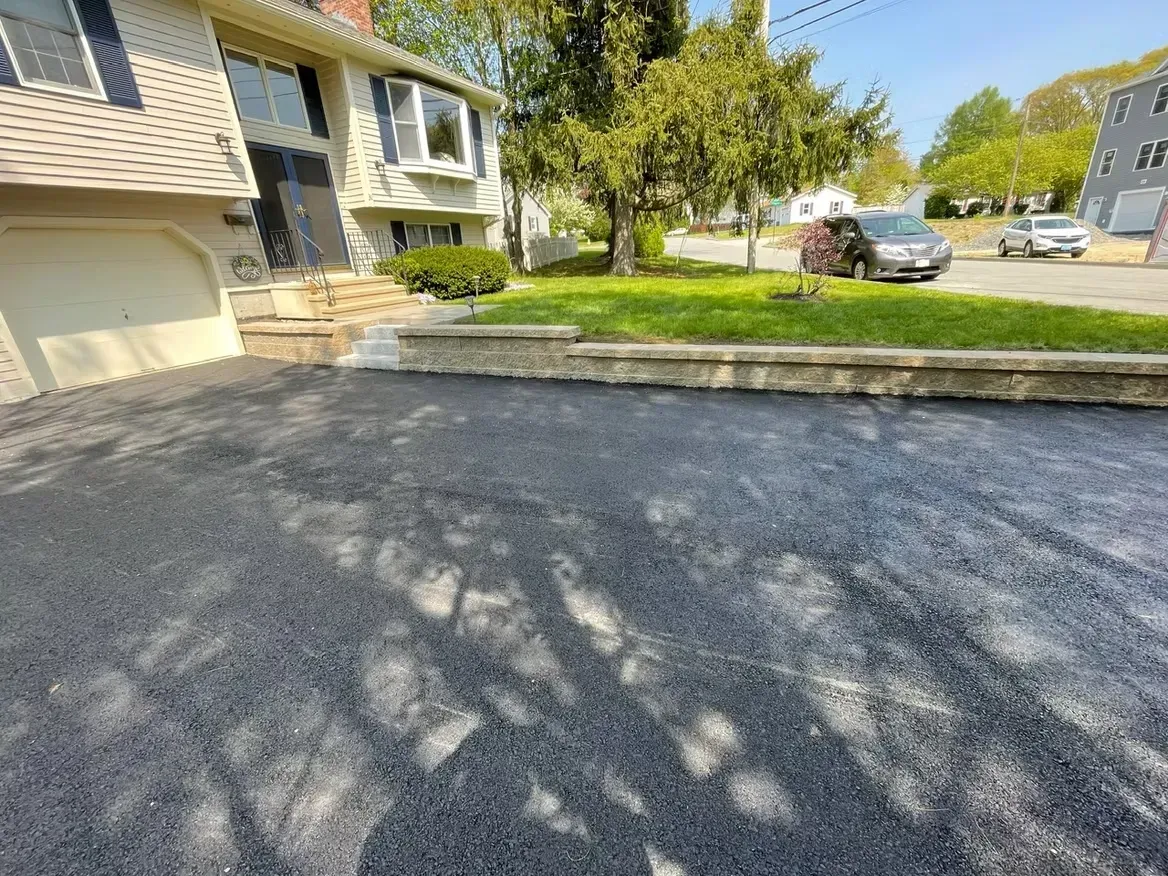
When the pavement surface is worn but structurally sound, an asphalt overlay or resurfacing can restore function and aesthetics. These pavement restoration methods add a fresh layer of hot mix asphalt pavement, giving surfaces a new life without complete reconstruction.
Find out when to choose between overlay and replacement in our guide on asphalt overlay vs. replacement.
5. Surface Treatments
Pavement surface treatments such as sealcoating help protect against water, UV rays, and chemical spills. They are part of a smart pavement preservation technique strategy and help maintain your surface’s integrity over time.
Explore seasonal strategies for maintenance in our asphalt maintenance guide.
Advanced Rehabilitation & Maintenance Methods
In cases of severe deterioration, more intensive pavement rehabilitation methods are used:
Cold in-place recycling: Reuses existing materials, reducing cost and environmental impact.
Concrete pavement restoration process: Involves repairing or replacing damaged concrete slabs.
Full depth repair: Removes and replaces entire layers of pavement, base, and sub-base to restore the structure.
Pavement distress identification survey and pavement management systems: Used by engineers to plan long-term maintenance based on condition assessments.
Benefits of Proactive Pavement Maintenance
Implementing pavement preventive maintenance treatments reduces long-term costs, improves safety, and extends the lifespan of your surfaces. A regular schedule of pavement repair, cleaning, sealcoating, and inspection minimizes the risk of failure and ensures optimal performance.
Need Reliable Pavement Repair Services in Central Massachusetts?
Whether it's a small driveway repair or a large-scale pavement restoration project, our team at J.F. Gray Landscape Construction and Paving delivers expert solutions that last.
Experienced in hot mix asphalt, patching, overlays, and full-depth repairs
Custom maintenance plans for residential and commercial properties
Rapid response for emergency pothole repairs
Get a Free Quote or Contact Us today to schedule your pavement repair consultation.


Comments