top of page

Driveway & Asphalt Maintenance in Massachusetts: Complete Guide

  • Writer: J F Gray Landscaping
    J F Gray Landscaping
  • Feb 20
  • 6 min read

Your driveway is more than a place to park. In Massachusetts, where winters are harsh and temperature swings are extreme, proper driveway maintenance and asphalt repair are essential to protecting your investment and ensuring safety. 


This complete guide covers everything Massachusetts homeowners and property managers need to know about driveway maintenance, from routine care to major repairs.


Why Asphalt Maintenance Matters in MA (Freeze-Thaw + Local Climate)


Massachusetts weather puts exceptional stress on asphalt driveways. The freeze-thaw cycle that dominates our climate causes water to seep into small cracks, freeze, expand, and create progressively larger damage. Winter storms, particularly nor'easters, deliver heavy precipitation followed by dramatic temperature shifts that accelerate pavement deterioration.


Understanding weather-related driveway damage and repair tips is the first step in protecting your property. When temperatures fluctuate above and below freezing, the moisture trapped in your pavement undergoes constant expansion and contraction. This cycle weakens the structural integrity of the asphalt and can lead to premature failure.


The quality of your asphalt also plays a critical role. How asphalt binder affects pavement durability determines how well your driveway withstands Massachusetts weather. High-quality binder formulations are engineered to remain flexible in cold temperatures while maintaining stability in summer heat.


Common Pavement Problems (Residential + Commercial)


Massachusetts driveways face predictable problems driven by climate and traffic patterns. Common cracks and potholes in MA driveways typically start small but grow rapidly without intervention. Alligator cracking, linear cracks, edge failures, and potholes are the most frequent issues residential and commercial property owners encounter.


Base failure represents a more serious concern. When the aggregate base beneath your asphalt becomes saturated or settles unevenly, the surface layer loses support and begins to fail. These problems require more than surface patching.


Understanding pavement repair methods for asphalt and concrete helps you identify the right solution for each problem. Minor surface cracks require different treatment than structural base issues, and early intervention almost always costs less than waiting until damage becomes severe.


Maintenance Fundamentals: Routine Care Calendar


A proactive maintenance schedule is your best defense against costly repairs. Year-round driveway care in Massachusetts should follow the seasonal rhythm of our climate.


Consistent attention throughout the year prevents minor issues from becoming major problems and extends the life of your driveway significantly.


Spot Repairs: Cracks, Potholes & Small Failures


Small repairs tackled early prevent extensive damage later. Learning how to repair driveway cracks in Massachusetts gives homeowners the knowledge to address minor issues before they expand during freeze-thaw cycles.


For hairline cracks, crack filler products applied during warm weather can seal out moisture effectively. Wider cracks may require routing and filling with hot rubberized material for longer-lasting results.


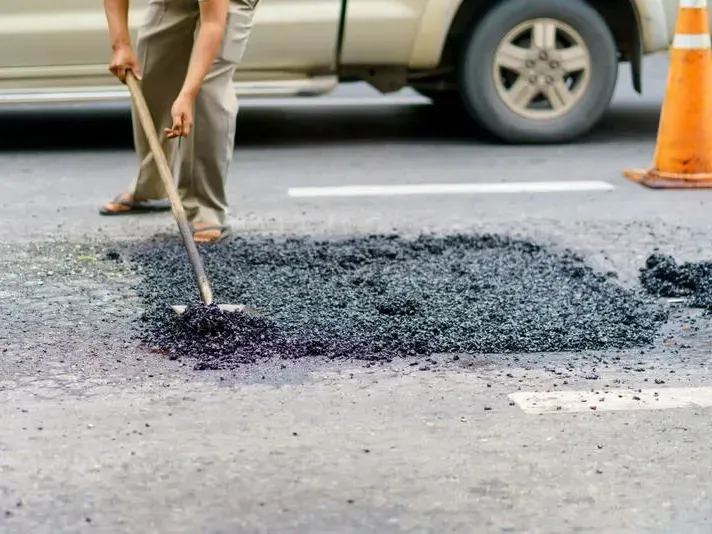
Potholes demand immediate attention. Water pooling in potholes accelerates deterioration and creates safety hazards. How to patch potholes in an asphalt driveway involves removing loose material, compacting the base, and filling with quality patching compound.


These crack and pothole repair tips for homeowners emphasize proper preparation. Cleaning the damaged area, ensuring dry conditions, and using appropriate materials make the difference between a repair that lasts one season and one that lasts several years.


Big Repairs: Resurfacing vs Replacement


When damage becomes widespread or your driveway shows its age, spot repairs are no longer sufficient. Understanding the difference between resurfacing and full replacement helps you make informed financial decisions.


Asphalt resurfacing: what MA homeowners need to know explains how a new surface layer can restore appearance and function when the base remains sound. The driveway resurfacing process in Massachusetts typically involves milling the top layer, addressing any base issues, and applying fresh asphalt.


The choice between overlay vs full-depth asphalt replacement depends on the condition of your existing base. If base failure has occurred, resurfacing alone will not solve the problem. Driveway replacement options in Central MA include full-depth reconstruction, which removes all existing material and rebuilds from the ground up.


Some property owners explore alternatives to traditional driveway paving, including permeable pavers, heated driveway systems, or concrete options. Each material offers different advantages depending on your specific needs and budget.


Winter Damage & Protection Strategy


Winter in Massachusetts takes a heavy toll on driveways. Protecting your asphalt during the cold months and addressing damage promptly in spring determines how long your pavement lasts.


Fixing driveway damage after winter should happen as soon as temperatures warm enough for repair materials to cure properly. Documenting damage with photos before and after winter helps track deterioration patterns and plan long-term maintenance.


During winter storms, follow careful snow removal guidance for driveways to avoid damaging your surface. Metal shovel edges and aggressive plowing can gouge asphalt, creating entry points for water. Use safe driveway ice removal tips that balance safety with surface protection.


Chemical accelerators should be used judiciously. Some products accelerate asphalt deterioration. Snow removal safety tips emphasize techniques that protect both people and property.


Comprehensive home winterization essentials should include driveway preparation. Clearing drainage paths, filling cracks before the first freeze, and having snow removal equipment ready prevent emergencies.


Asphalt Tech Basics (Binder, Mix, Thickness)


Understanding asphalt composition helps you specify quality work and recognize substandard installations. Asphalt binder basics for durable pavement covers how petroleum-based binders are formulated for different climate zones. Massachusetts requires binder grades that remain flexible in sub-zero temperatures.


Mix design matters significantly. The ratio of aggregate to binder, the size gradation of stone, and the compaction process all affect durability. Massachusetts driveway thickness standards specify minimum depths for residential and commercial applications.


Residential driveways typically require 2-3 inches of asphalt over 4-6 inches of compacted aggregate base. Commercial applications demand thicker sections to support heavier loads.


Proper compaction during installation is critical. Inadequately compacted asphalt deteriorates rapidly and fails prematurely. Quality contractors use vibratory rollers and follow specific temperature and compaction protocols.


DIY vs Professional & How to Choose a Contractor


Some driveway maintenance tasks suit do-it-yourself approaches, while others require professional expertise and equipment. DIY vs professional crack repair depends on the extent of damage, your available time, and your comfort level with the work.


Small crack filling, cleaning, and sealcoating can be handled by motivated homeowners with proper materials and dry weather. However, patching a pothole vs hiring a contractor illustrates how even seemingly simple repairs benefit from professional equipment and experience.


Knowing when to call a driveway repair specialist prevents costly mistakes. Major repairs, resurfacing, full replacement, and work involving base repair should be left to licensed contractors with proven track records.


When selecting a contractor for driveway repair in Massachusetts, verify licensing and insurance, request multiple detailed quotes, check references from recent projects, and ensure specifications include proper base preparation and asphalt thickness. Quality contractors will explain material choices, provide written warranties, and demonstrate knowledge of local climate challenges.


Protect Your Investment with Proper Maintenance


Driveway and asphalt maintenance in Massachusetts requires understanding local climate challenges and following a proactive care schedule. Whether you need routine sealcoating, crack repair, or complete resurfacing, early intervention and quality workmanship protect your property value and ensure safe, attractive pavement for years to come.


Regular inspections, seasonal maintenance, and prompt repairs are the keys to maximizing your driveway's lifespan in the demanding Massachusetts climate.


Get Expert Driveway and Asphalt Maintenance Services in Central Massachusetts


Your driveway deserves professional care that stands up to Massachusetts weather. Whether you need routine maintenance, crack repair, resurfacing, or complete replacement, J.F. Gray Landscape Construction and Paving delivers exceptional results with quality materials and expert craftsmanship.


From sealcoating and crack sealing to full-depth reconstruction and winter damage repair, our team understands the unique challenges of maintaining asphalt in the Massachusetts climate. We provide comprehensive solutions tailored to your property's specific needs and budget.


Get a free quote today and let J.F. Gray Landscape Construction and Paving protect your investment with reliable driveway maintenance and repair services that last.


Comments


©2024 by J.F Gray Landscape Construction & Paving.

bottom of page