


Proper patio maintenance is crucial for preserving its appearance and functionality. A well-maintained patio not only serves as an inviting outdoor area for personal enjoyment but also enhances the overall value of your home. Let's explore a few smart strategies recommended by your local patio builder to ensure your patio remains in top condition year-round. By adopting a regular maintenance routine, you can mitigate potential damage and reduce the need for costly repairs. 1. Regular Cleaning Sweep and Remove Debris Keeping your patio clean is the first step in maintaining its appearance. Regular sweeping helps to remove leaves, dirt, and other debris that can accumulate over time. This prevents the buildup of materials that can cause staining or scratches. You should aim to sweep your patio at least once a week, especially during high debris seasons such as fall. This simple act alone can prolong the life of your patio surface. Power Washing Power washing is an efficient way to remove stubborn dirt and stains that sweeping can't handle. A power washer uses high-pressure water to clean surfaces, making it particularly effective for patios that are heavily stained or covered in mold or algae. However, it's important to understand the pressure level suitable for your patio material to prevent damage. Consistent power washing can help maintain the aesthetic appeal and functionality of your patio. Most homeowners find that power washing once a year is sufficient for maintaining a clean patio. Spot Cleaning Spills Addressing spills immediately is crucial for preventing stains and maintaining the integrity of your patio surface. Common outdoor spills include food, drinks, and oils, all of which can leave lasting marks if not promptly cleaned. For the best results, use a specialized cleaner that matches your patio type because each may react differently to cleaning agents. Quick action in spot cleaning can save you from expensive repairs and re-surfacing later. Keeping a dedicated kit for outdoor cleaning supplies can make managing spills more convenient. Use Safe Cleaning Agents Using the right cleaning agents ensures you won't damage your patio while trying to maintain it. Each patio material has specific cleaners designed to handle its unique characteristics without causing harm. Avoid harsh chemicals that can strip the finish or lead to discoloration. Environmentally friendly cleaners are advisable, as they are often less abrasive and better for the surrounding garden ecosystem. Always test a new cleaning product in a small area to ensure it does not adversely affect your patio's surface. Seasonal Deep Clean Performing a seasonal deep clean is integral to preparing your patio for the upcoming weather conditions. Seasonal cleaning involves a thorough washing, scrubbing, and treatment of the patio to remove any accumulated dirt or debris that may have settled. This helps in identifying any unnoticed damage or wear that could potentially worsen if left unchecked. Establishing a seasonal routine ensures that your patio is in its best condition to withstand the challenges posed by the shifting climates. During this process, consider inspecting the surrounding garden areas for pests or diseases that might affect the patio's environment. 2. Sealing Surfaces Understand the Benefits of Sealing Sealing your patio offers multiple benefits that contribute to its longevity and durability. A quality sealant acts as a barrier against moisture, preventing water damage and reducing the likelihood of cracks or erosion. Sealing also protects against stains from food, beverages, and outdoor debris. By sealing your patio, you can significantly extend its life and maintain its aesthetic appeal. Plus, a well-sealed patio can offer a return on investment of 60% to 70%, according to HomeGuide, when it comes time to sell your home. Choosing the Right Sealant Selecting the appropriate sealant is critical for enhancing the performance and appearance of your patio. Different patio materials require different types of sealants, and it's essential to choose one that suits your specific needs. For instance, concrete sealants might not be appropriate for wooden patios. Consider the local climate as well, since sealants might offer varying degrees of protection against harsh weather conditions. Always consult with a professional patio builder or conduct detailed research to choose the best product for your patio. Proper Application Techniques The effectiveness of a sealant depends significantly on how it's applied. Starting with a clean, dry surface is crucial to ensure that the sealant adheres properly and provides thorough coverage. Depending on the type of sealant and patio, specific tools such as rollers or sprayers might be preferable. Follow the manufacturer's instructions closely, as applying too much or too little can compromise the results. Proper application ensures that the sealant offers maximum protection for the duration of its intended lifespan. Frequency of Resealing Determining how often you need to reseal your patio depends on factors such as material, climate, and usage patterns. A general rule of thumb is to reseal concrete patios every two to three years, while wooden patios might require more frequent treatments. Exposure to extreme weather conditions may necessitate a more regular sealing schedule. Regular resealing not only safeguards the patio's aesthetics but also prevents structural decay by blocking moisture infiltration. Keep an eye on your patio's appearance, and when in doubt, consult a professional patio builder for advice on resealing frequency. Checking for Signs of Wear Regularly inspecting your patio for signs of wear is vital to determine when resealing is necessary. Common indicators include fading color, increased water absorption, or the appearance of small cracks. These signs suggest that the existing seal is wearing down and no longer providing adequate protection. A proactive approach to maintenance will help ensure that problems are addressed before they become more severe and costly. Keeping a maintenance journal is a good practice for tracking the condition and treatment of your patio over time. 3. Preventing and Managing Weeds Barrier Methods Preventing weeds from taking root is easier than dealing with them once they have spread. Barrier methods such as installing landscape fabric beneath your patio can be highly effective. This fabric acts as a protective layer that prevents weeds from accessing sunlight and nutrients necessary for growth. In addition to fabric, using gravel or mulch in surrounding areas can inhibit weed development by restricting their growth conditions. When setting up barriers, make sure they are compatible with the type of patio surface to avoid unintended damage. Regular Inspections Regular inspections play a crucial role in maintaining a weed-free patio environment. Early detection of weeds allows for swift intervention, preventing them from spreading uncontrollably. Make it a routine to examine your patio for any signs of growing weeds or invasive plant species. Removing them promptly minimizes their impact on the aesthetic and structural integrity of your patio. Consistent checks also help you monitor the effectiveness of other preventative measures you have in place, such as barriers or herbicide use. Use of Herbicides Herbicides are another effective tool in the fight against patio weeds. Selecting the right type of herbicide is important, as some may be suitable for concrete but harmful to plants or pets. Always follow the application guidelines to avoid damaging your patio or the surrounding garden areas. For a more eco-friendly approach, organic or natural herbicides can also be effective against common patio weeds. Regular use ensures that your patio remains clear of unwanted growth, improving its appearance and extending its durability. Caulking Gaps Gaps and cracks in patio surfaces provide an entry point for weeds, among other issues, and sealing these areas can prevent their growth. Use a suitable caulking material designed for outdoor use, ensuring that it is compatible with your patio material. Proper caulking requires clean, dry surfaces and attention to detail to ensure complete coverage of the gaps. Addressing these small issues as they emerge can save you from more significant structural challenges in the future. Maintaining sealed surfaces also assists in water management, reducing moisture buildup that can further weaken the patio. Maintaining your patio involves a combination of routine care and occasional upgrades. From cleaning and sealing to structural repairs and aesthetic enhancements, every aspect plays a role in prolonging your patio's life and improving its utility. By implementing these smart strategies, you can enjoy a beautiful and functional patio for years to come. For more helpful tips from a quality patio builder , reach out to J.F. Gray Landscape Construction & Paving today.

We take pride in delivering efficient, reliable, and exceptional service backed by over 20 years of combined experience. Call the top paving company today!
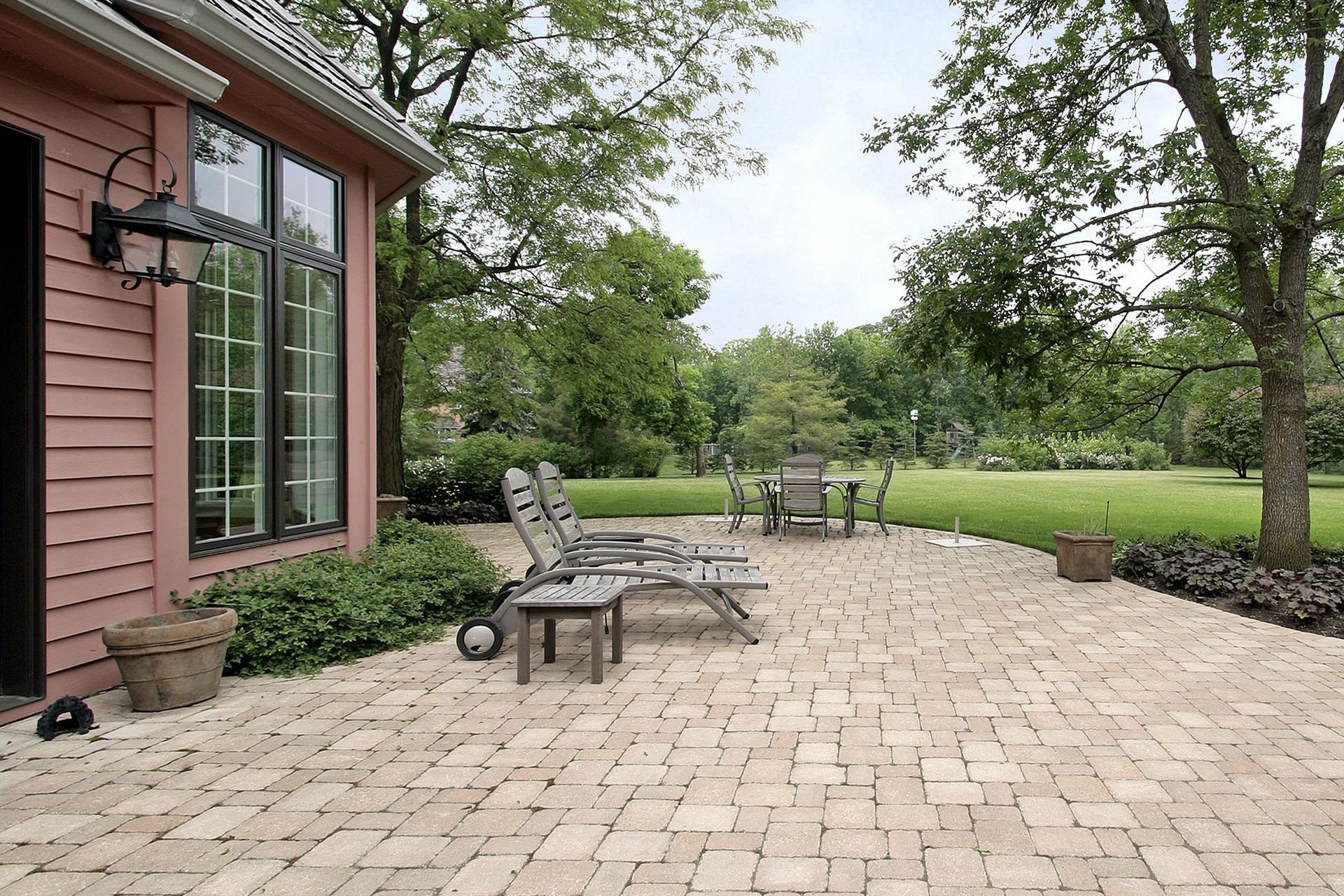
Expert patio builders design custom outdoor spaces that increase property value, expand living areas, and offer a comfortable year-round retreat.

